
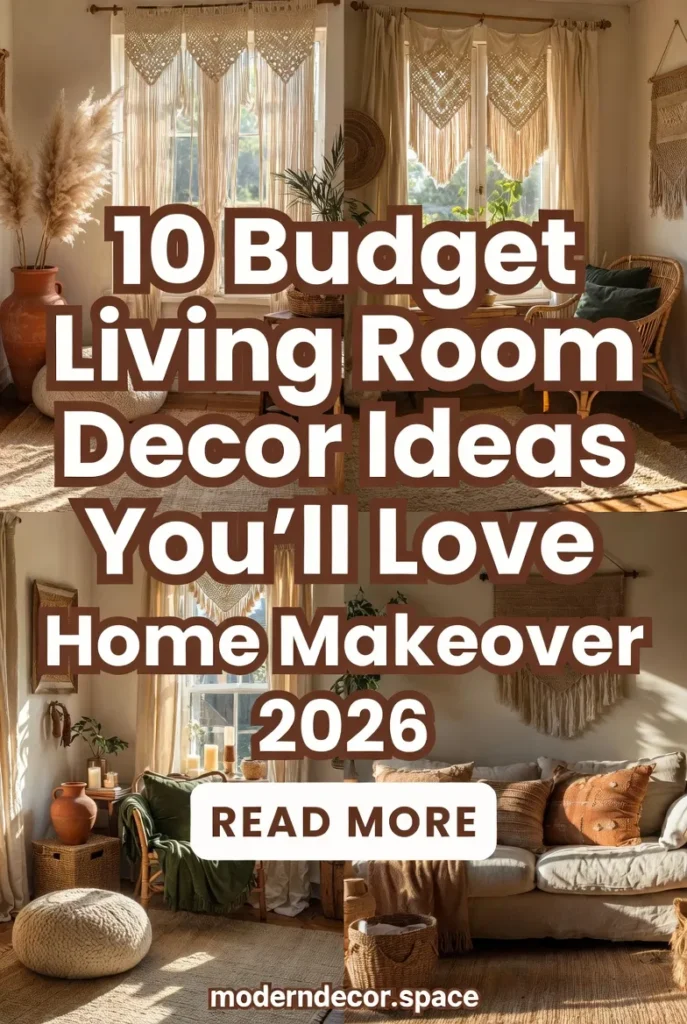
Your living room is the heart of your home. It is where you unwind after a long day, host friends and family, and create memories that last a lifetime. But here is the thing — transforming your living room into a space you genuinely love does not have to drain your bank account. In 2026, budget-friendly decorating has never been more accessible, creative, or stylish. With the right ideas and a little imagination, you can completely overhaul your living room without spending a fortune.
Whether you are starting from scratch or simply looking to refresh a tired space, this guide walks you through ten of the most effective, affordable, and trend-forward living room decor ideas for 2026. Each idea is designed to maximize impact while keeping costs low, so you can enjoy a beautiful home without the financial stress.
1. Rearrange Your Furniture for a Fresh Layout

Before you spend a single dollar on new decor, consider this: the most powerful transformation tool in your home is completely free. Rearranging your existing furniture can make your living room feel like an entirely different space, and it costs absolutely nothing.
Start by identifying the focal point of your room. In most living rooms, this is the television, a fireplace, or a large window. Arrange your seating to face or angle toward this focal point, creating a natural gathering area that feels intentional and well-designed. Pull furniture away from the walls — a common mistake people make is pushing every piece of furniture against the perimeter of the room, which actually makes a space feel smaller and less inviting. Floating your sofa and chairs closer to the center of the room creates a cozier, more conversational arrangement.
Think about traffic flow as well. There should be enough space to walk comfortably around the furniture without bumping into anything. A good rule of thumb is to allow at least 18 inches of walkway between pieces. If you have a coffee table, make sure there is about 14 to 18 inches between it and your sofa so it is easy to reach but does not feel cramped.
Try several different configurations before settling on one. Take photos from different angles to compare options. You might be surprised how dramatically the room changes just by swapping the orientation of your sofa or moving a chair from one corner to another. This is the ultimate zero-cost makeover, and it is often the first step professionals recommend before investing in anything new.
2. Refresh Your Walls with Paint
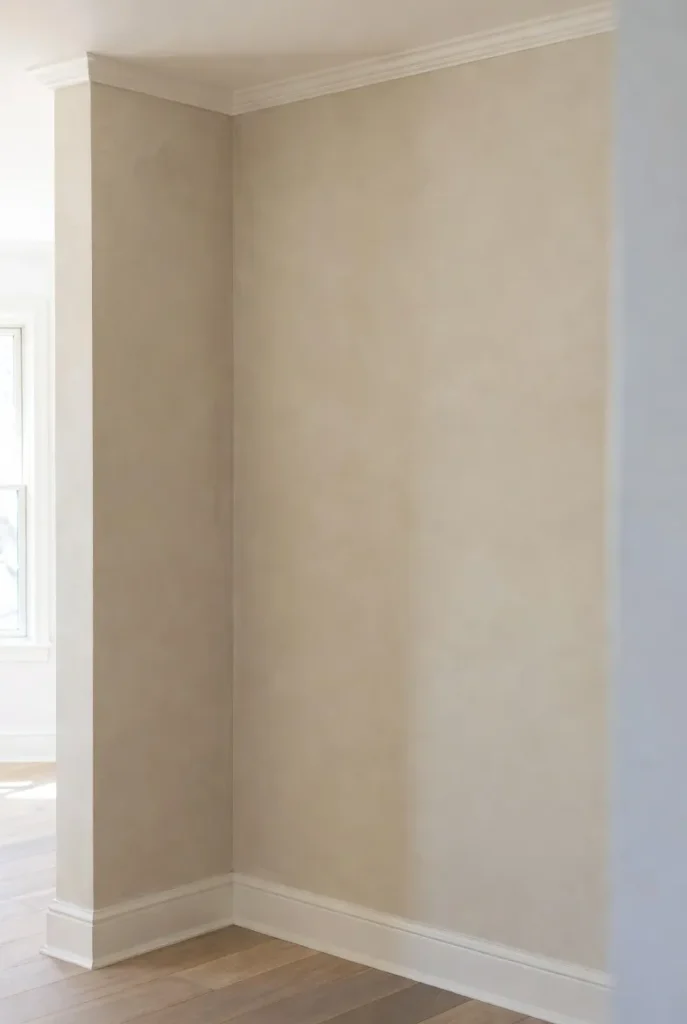
If there is one single investment that delivers the highest return in home decorating, it is paint. A fresh coat of paint on your walls can completely transform the mood, size, and personality of your living room for a relatively small amount of money. In 2026, paint is still one of the most powerful and budget-conscious tools in any home decorator’s arsenal.
The color you choose sets the entire tone of the space. If you want your living room to feel calm and airy, consider soft neutrals like warm white, greige, or pale sage green. These shades are among the most popular interior color trends this year and they work beautifully with a wide range of furniture styles and accent colors. If you prefer something bolder, deep earthy tones like terracotta, rust, forest green, or navy blue are having a major moment in 2026 interior design. These rich hues add instant drama and sophistication to a room without requiring any additional decor.
One particularly effective technique is the accent wall. Rather than painting the entire room, choose one wall — typically the one behind your sofa or television — and apply a bold or contrasting color. This creates a focal point, adds depth, and uses significantly less paint, keeping your costs even lower.
Do not overlook the power of painting your ceiling as well. A soft, slightly warm white on the ceiling can make the room feel taller and more polished. Some designers in 2026 are even painting ceilings in soft pastels or muted colors to create a cocooning, enveloping effect that feels both modern and comforting.
A single gallon of quality interior paint typically costs between $25 and $45 and can cover approximately 400 square feet. For most living rooms, two gallons is more than enough, making this one of the most affordable yet transformative upgrades you can make.
3. Introduce Layered Textiles and Throw Pillows
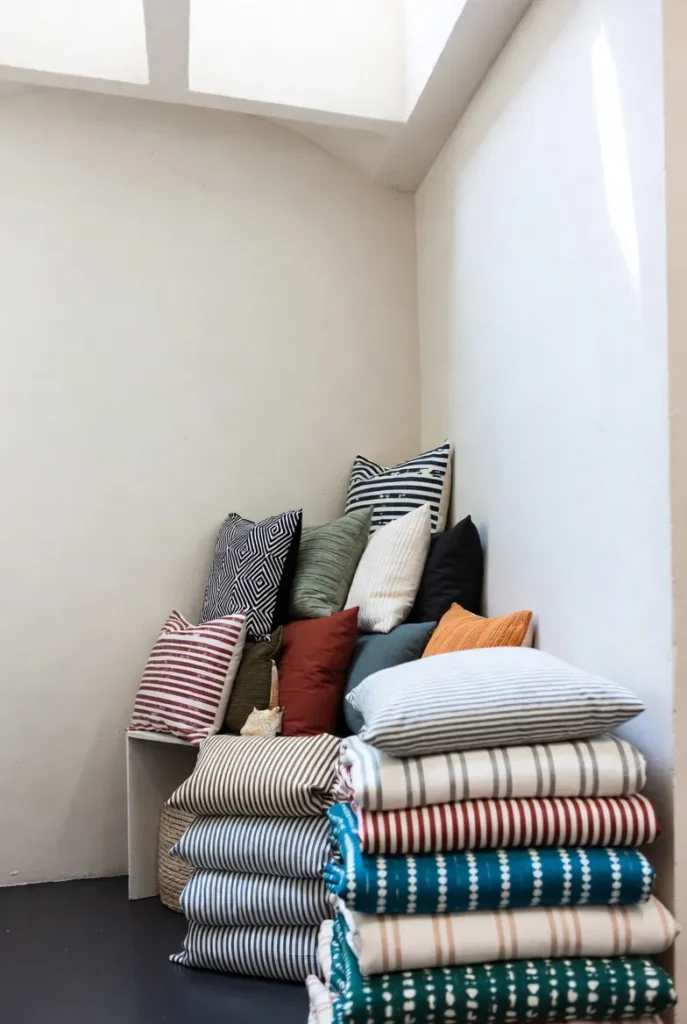
One of the easiest and most affordable ways to make a living room look professionally decorated is through the strategic use of textiles. Throw pillows, blankets, area rugs, and curtains all add layers of texture, color, and warmth that make a space feel finished, cozy, and intentional.
Start with your sofa. A set of new throw pillows can completely change the look of a couch without replacing it. In 2026, the trend leans toward mixing textures — think velvet pillows alongside woven or linen ones. Combining different sizes, such as 20-inch square pillows at the back and smaller 12-inch lumbar pillows at the front, adds visual interest and a designer-worthy layered look. When choosing colors, pick two or three that complement each other and pull from the overall palette of your room.
Throws and blankets draped casually over the arm or back of a sofa add softness and a lived-in quality that instantly makes a room feel more welcoming. Chunky knit throws are particularly popular this year, as are lightweight cotton weaves in earthy, natural tones.
Do not forget the floor. An area rug is one of the most impactful additions you can make to a living room, as it anchors the furniture arrangement and defines the seating area. Budget-friendly rugs are widely available at home goods stores, online marketplaces, and even thrift shops. Look for rugs with neutral tones and interesting textures or subtle patterns that can tie the whole room together. The key sizing rule is to choose a rug that is large enough for at least the front legs of all your seating pieces to rest on it.
Finally, update your curtains. Swapping out old, dated curtains for fresh, flowing panels in a neutral linen or cotton fabric can make a remarkable difference. Hanging curtains higher than the window frame — ideally close to the ceiling — and wider than the window itself creates the illusion of taller, grander windows and makes the room feel more luxurious.
4. Shop Secondhand and Thrift Stores
One of the biggest home decor trends of 2026 is the embrace of vintage, pre-loved, and secondhand pieces. Not only is this approach kinder to the environment, but it is also one of the smartest ways to find unique, high-quality decor items at a fraction of the retail price.
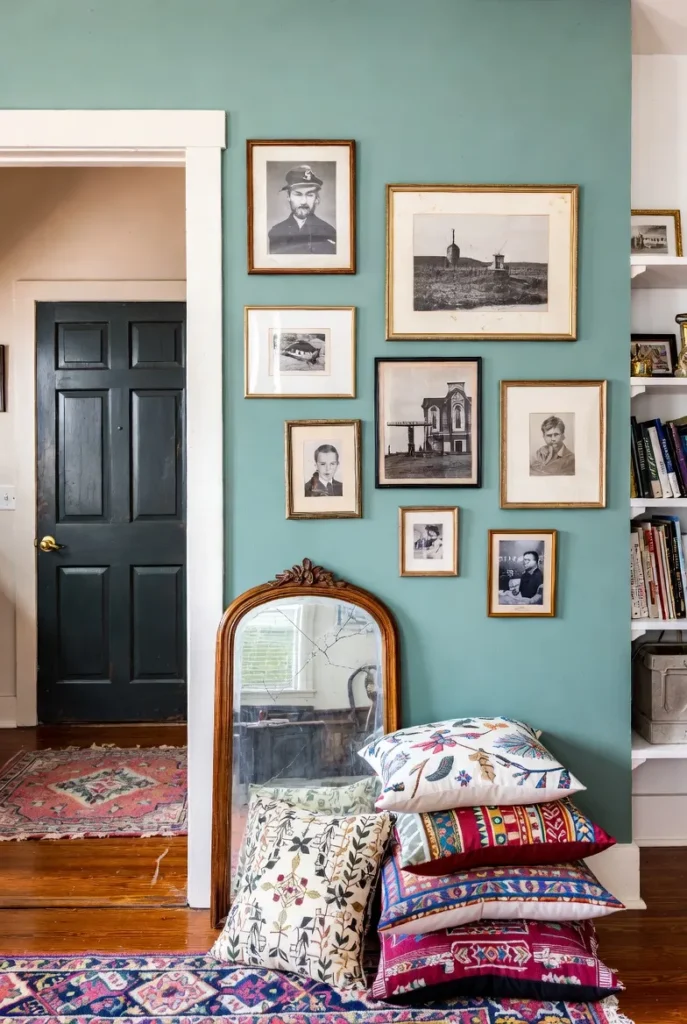
Thrift stores, estate sales, flea markets, and online resale platforms are treasure troves of beautiful furniture and decor items just waiting to be discovered. The key is to shop with an open mind and a willingness to see the potential in something that might not look perfect in its current state. A solid wood coffee table with a scratched finish can be sanded and refinished. A mismatched set of frames can be painted the same color to create a cohesive gallery wall. An outdated lamp can be given new life with a fresh coat of spray paint and a new shade.
In 2026, the eclectic, curated look is very much in style. Mixing old and new, combining different eras and styles, and incorporating one-of-a-kind finds gives your living room a personality and depth that brand-new, mass-produced decor simply cannot replicate. It tells a story and makes your space feel genuinely personal rather than like a showroom floor.
When shopping secondhand, prioritize structural quality over cosmetic condition. Look for pieces with solid bones — good frames, sturdy legs, and quality materials — that can be easily refreshed with a little effort. Avoid items with strong odors, significant structural damage, or upholstery that cannot be cleaned or reupholstered affordably.
Set a budget before you go shopping and stick to it. It is easy to get carried away at a flea market or estate sale, so knowing your limit in advance helps you make thoughtful, intentional purchases rather than impulse buys.
5. Create a Gallery Wall
A gallery wall is one of the most creative, customizable, and budget-friendly ways to transform a blank wall into a stunning focal point. In 2026, gallery walls continue to be a beloved decorating staple, and the most beautiful ones are often assembled from a mix of affordable frames, personal photographs, printable art, and found objects.
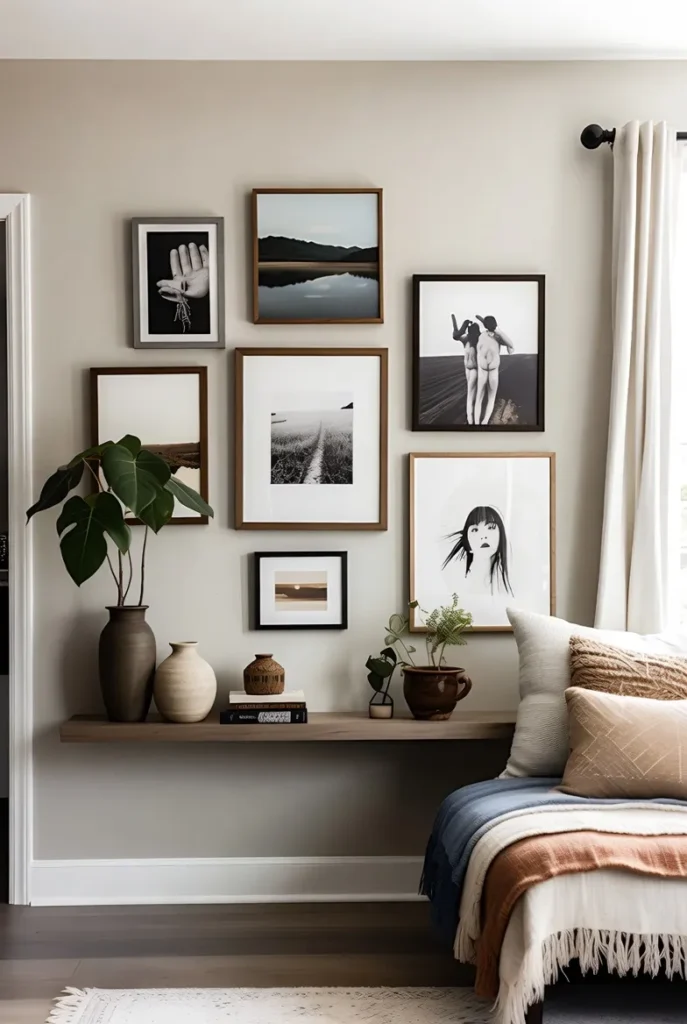
The beauty of a gallery wall is that it requires very little investment to create a big visual impact. Start by collecting frames from thrift stores, discount shops, or even repurposing frames you already own. Paint them all the same color — classic black, crisp white, warm gold, or matte terracotta are all on-trend choices this year — to create cohesion even when the frames themselves are different shapes and sizes.
For the art itself, you have endless budget-friendly options. Print your own photographs at a local photo shop or online printing service. Download and print free or low-cost digital art prints from platforms that offer beautiful printable artwork for just a few dollars per design. Cut out interesting images, patterns, or typography from old books and magazines. Create your own simple abstract paintings using inexpensive acrylic paints. Press and frame botanical specimens like leaves, flowers, or ferns for a natural, organic touch that is very much in keeping with 2026’s biophilic design trend.
Before putting anything on the wall, lay your arrangement out on the floor to experiment with the composition. Aim for a mix of sizes with your largest piece slightly off-center and smaller pieces arranged around it. You can also create a cleaner, more structured grid arrangement if you prefer a more orderly look.
A gallery wall adds color, texture, personality, and warmth to any room, and you can build it gradually over time, adding new pieces whenever you find something you love.
6. Bring Nature Indoors with Plants
If there is one design trend that has only grown stronger going into 2026, it is biophilic design — the practice of incorporating natural elements into interior spaces to create a sense of calm, vitality, and connection to the natural world. And the most accessible, affordable, and transformative way to embrace this trend is simply to add plants.
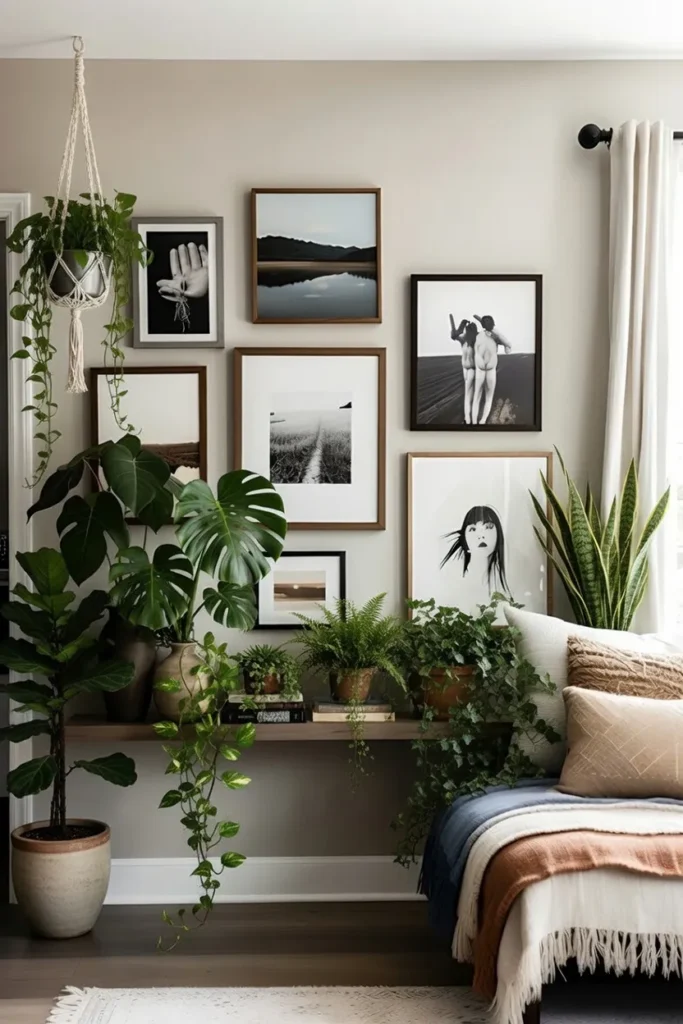
Houseplants do more than look beautiful. They improve air quality, reduce stress, add natural color and texture, and bring a sense of life and energy to any room. The good news is that you do not need to spend a lot of money to fill your living room with greenery.
Start with easy-to-grow, low-maintenance varieties that thrive in typical indoor conditions. Pothos, snake plants, ZZ plants, spider plants, and peace lilies are all affordable, widely available, and practically impossible to kill. For a more dramatic statement, a large fiddle leaf fig, monstera, or bird of paradise in a beautiful pot can become a true focal point in your living room.
The containers and pots you choose matter just as much as the plants themselves. Look for affordable pots at thrift stores, discount home goods shops, or online marketplaces. Terracotta pots are inexpensive, beautiful, and complement almost every interior style. You can also wrap nursery pots in wicker baskets or fabric pot covers for an instant upgrade.
Arrange plants at different heights to create visual interest. Use a plant stand or stool to elevate some plants, hang trailing varieties in macrame hangers from the ceiling, and cluster smaller pots on shelves or side tables. This layered approach mirrors the natural world and creates a lush, cohesive look throughout the room.
Propagating plants from cuttings is another excellent way to build your plant collection for free. Many popular houseplants, including pothos, philodendrons, and spider plants, root easily in a glass of water and can be replanted in soil once they develop roots.
7. Update Your Lighting
Lighting is one of the most overlooked yet most impactful elements of interior design. The right lighting can make a room feel warm, inviting, and beautifully styled, while poor lighting can make even the most beautifully decorated space feel flat and uninspiring. The good news is that you can dramatically improve your living room’s lighting without spending much money at all.
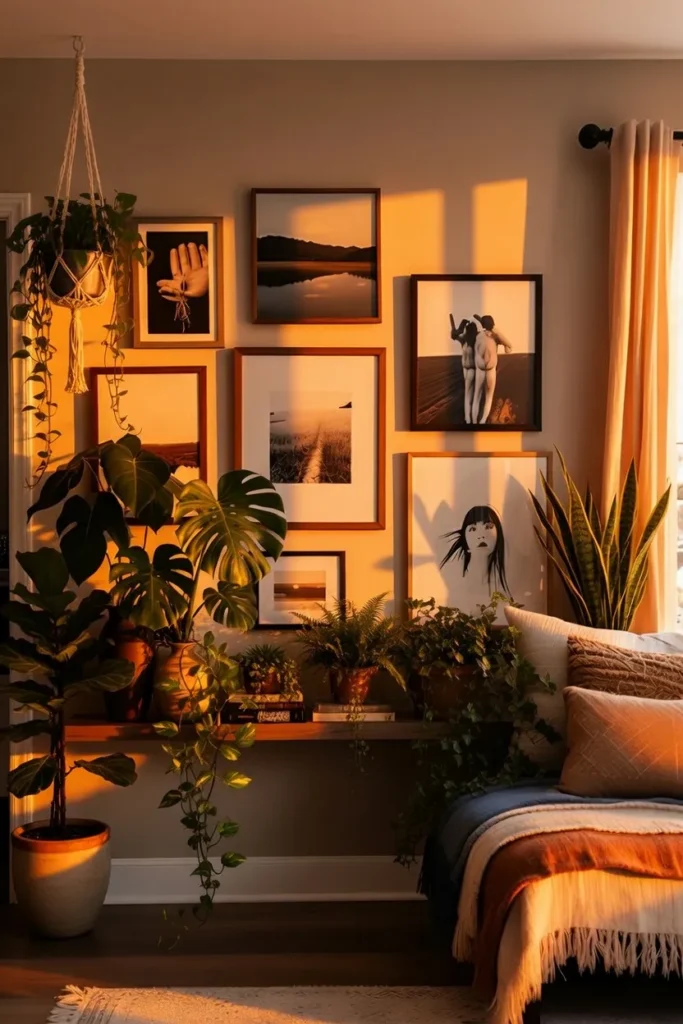
The key principle to understand is layered lighting. Rather than relying on a single overhead light source, aim to create multiple layers of light at different heights and intensities throughout the room. This creates depth, ambiance, and flexibility.
Start by adding floor lamps and table lamps to dark corners and side tables. Warm-toned bulbs — those with a color temperature of around 2700K to 3000K — create a cozy, inviting glow that is far more flattering and pleasant than the harsh, cool-toned light of standard overhead fixtures. In 2026, maximalist lighting with interesting shapes and textures is very trendy. Look for affordable floor lamps with interesting silhouettes, rattan shades, or sculptural bases at discount home stores or secondhand shops.
String lights and fairy lights, draped along shelves, around mirrors, or tucked behind furniture, add a magical, atmospheric quality to a living room for just a few dollars. LED candles placed in clusters on a coffee table or mantle create a warm, flickering ambiance without the fire risk of real candles.
Dimmer switches are a relatively inexpensive electrical upgrade that can transform how a room feels at different times of day. Being able to lower the intensity of overhead lighting in the evening creates a completely different atmosphere and makes your living room feel like a sophisticated, intentional space.
8. Declutter and Style Your Shelves
Sometimes the best thing you can do for your living room is not add something new, but remove what is no longer serving you. Clutter is one of the most significant obstacles to a beautiful, well-designed space, and decluttering costs absolutely nothing except time and effort.
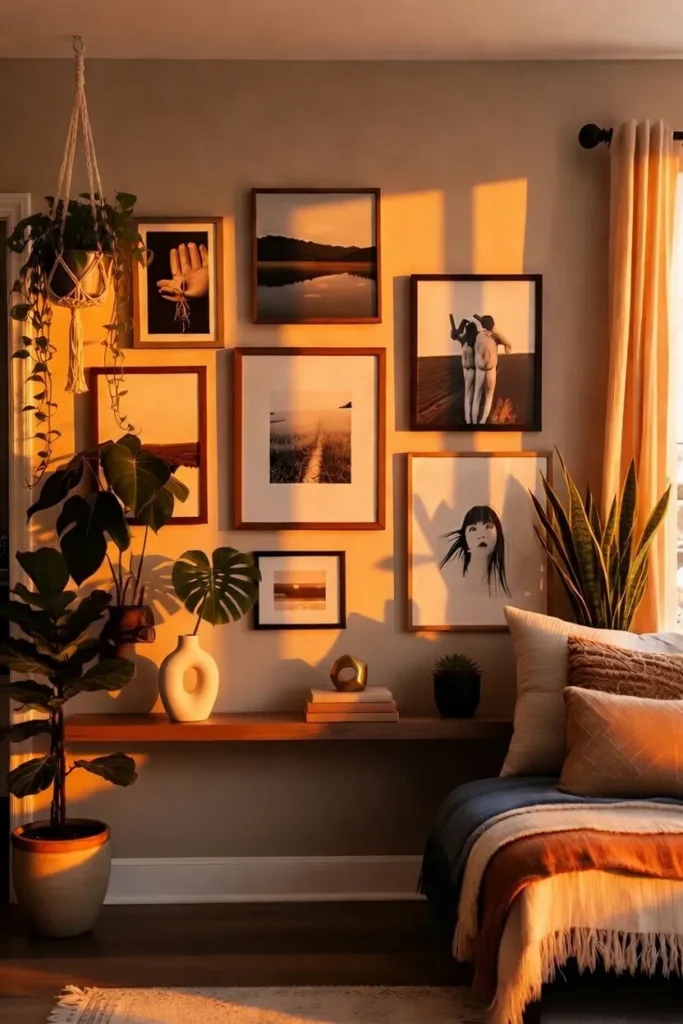
Go through your living room with fresh eyes and remove anything that does not belong, that you no longer love, or that simply adds visual noise without adding beauty or function. Clear surfaces, tidy bookshelves, and organized storage immediately make a room feel calmer, larger, and more intentional.
Once you have decluttered, focus on thoughtfully styling the surfaces and shelves that remain. The principle of styling in odd numbers is one of the most useful tools in decorating. Groups of three or five items tend to look more natural and visually appealing than even-numbered groupings. Vary the heights and textures within each vignette — a tall vase, a medium-height candle holder, and a small decorative object, for example — to create movement and interest.
Books are one of the most beautiful and affordable decorating tools available. Stack them horizontally to create platforms for smaller objects. Arrange them by color to create a visually striking rainbow effect or keep them in tonal groupings for a more understated look. Mixing books with plants, art objects, candles, and personal mementos creates shelves that look curated and meaningful rather than cluttered.
Mirrors are another powerful and relatively affordable tool for styling a living room. A large mirror leaned against a wall or hung above a console creates the illusion of more space, reflects light around the room, and adds a sense of elegance and depth. Look for affordable mirrors at thrift stores, where they can often be found for a fraction of retail price.
9. DIY Artwork and Decorative Accents
Creating your own decor is one of the most rewarding, personalized, and budget-friendly approaches to home decorating. In 2026, the handmade, artisanal aesthetic is more popular than ever, and DIY artwork and accents can give your living room a genuinely unique character that no store-bought item can replicate.
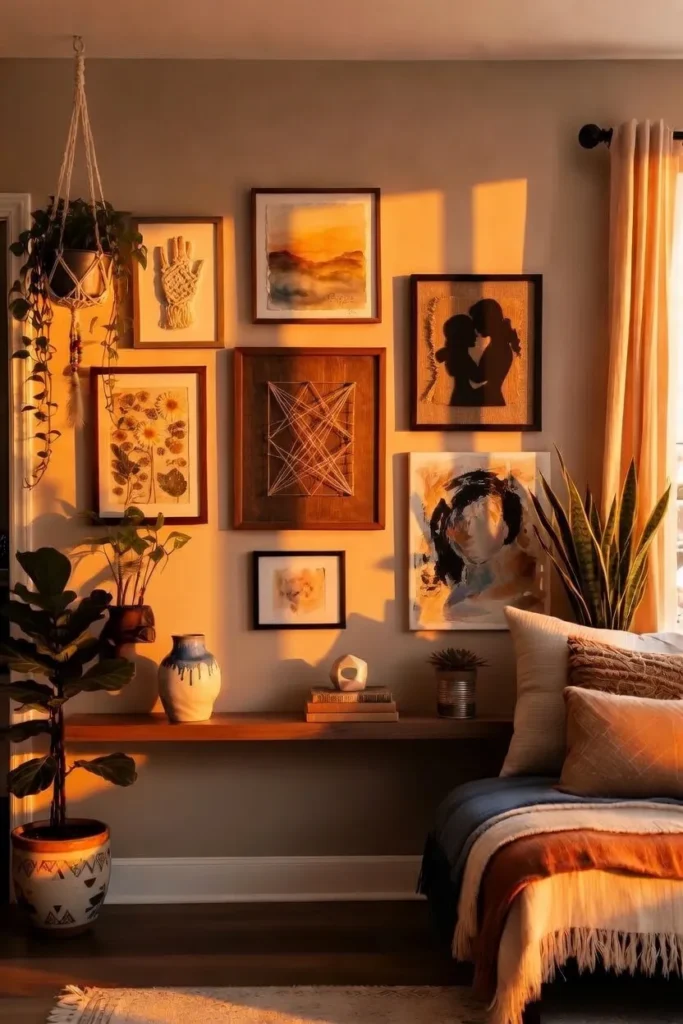
You do not need to be a trained artist to create beautiful wall art. Abstract painting is forgiving, expressive, and endlessly adaptable to any color palette or style. Purchase a canvas or two from a craft store — they are inexpensive, especially in large sizes — along with a small set of acrylic paints. Watch a few tutorials online for guidance on abstract techniques, then experiment freely. The process itself is enjoyable, and the result will be a one-of-a-kind piece of art that perfectly matches your room’s color scheme.
Macrame wall hangings and woven fiber art are another popular DIY option in 2026. Macrame cord is inexpensive, the basic knots are easy to learn, and the finished pieces add incredible texture and warmth to any wall. There are countless free tutorials available online that take you from complete beginner to finished wall hanging in just a few hours.
Concrete and clay are also having a major moment in home decor. Simple clay or air-dry clay bowls, dishes, and decorative objects can be shaped by hand, air-dried, and painted with minimal skill and very low cost. These handmade pieces look beautiful on coffee tables, shelves, and windowsills and add an organic, artisanal quality to your decor.
Upcycling existing items is another form of DIY that deserves special mention. Spray painting old picture frames, vases, lamp bases, or decorative objects in a fresh new color can completely transform them. Gold, matte black, and terracotta spray paints are particularly versatile and on-trend this year, and a single can costs just a few dollars.
10. Focus on Scent and Sensory Details
Truly beautiful living rooms engage all the senses, not just sight. In 2026, interior designers and lifestyle experts alike are placing increasing emphasis on the sensory experience of a home — how it smells, how it feels underfoot, the sounds it makes, and the overall atmosphere it creates. The good news is that addressing the sensory dimension of your living room is both affordable and deeply impactful.
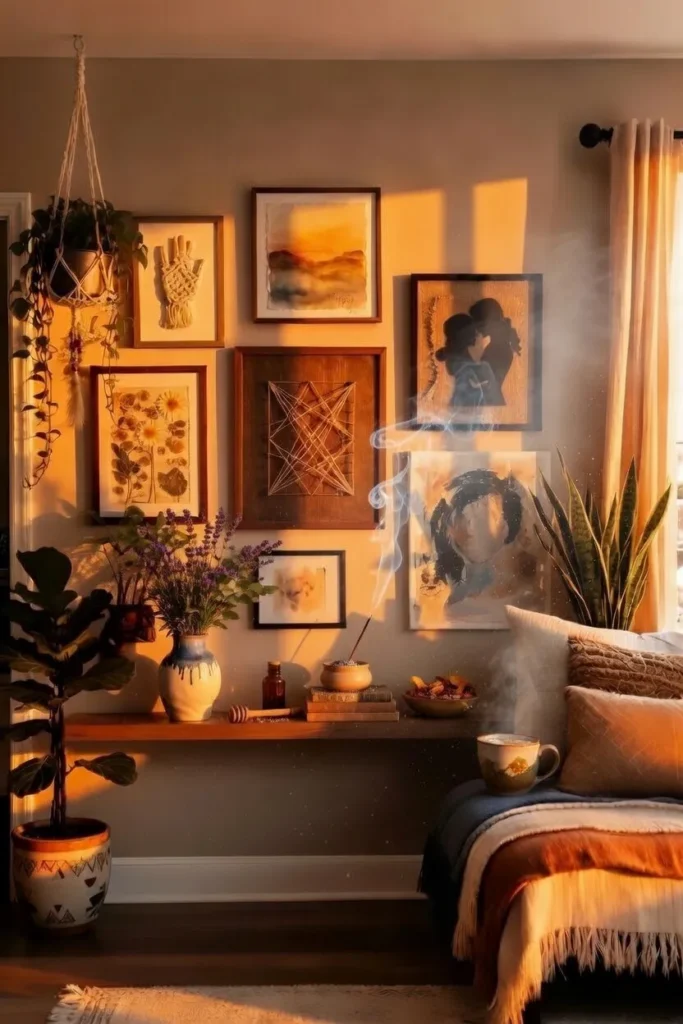
Scent, in particular, is one of the most powerful mood-altering tools available to you. A living room that smells wonderful feels instantly more inviting and luxurious. Candles are the most popular and accessible way to add scent to a room. In 2026, natural soy or beeswax candles with earthy, grounding scents like cedarwood, amber, sandalwood, and vetiver are particularly on-trend and evoke a sense of warmth and sophistication. Look for affordable candles at discount stores, or make your own using inexpensive soy wax flakes and fragrance oils for a truly budget-friendly option.
Reed diffusers are a low-maintenance alternative to candles that continuously release scent throughout the day. Essential oil diffusers are another option, with the added benefit of allowing you to change scents as your mood dictates. Dried botanicals, potpourri, and sachets tucked into shelves and corners add a subtle, natural fragrance that complements your overall decor aesthetic.
Texture underfoot is another sensory detail that elevates a living room experience. A plush area rug, a soft sheepskin throw draped over a chair, or textured cushions that invite touch all contribute to a room that feels genuinely luxurious, regardless of budget.
Finally, consider the acoustic quality of your living room. Soft furnishings, rugs, curtains, and upholstered furniture all absorb sound and reduce echo, making a room feel warmer, calmer, and more intimate. If your living room feels echoey or harsh, adding more soft textiles is one of the most effective and affordable solutions.
Final Thoughts
Decorating your living room on a budget in 2026 is not about compromise — it is about creativity, intention, and making the most of what you have while adding carefully chosen new elements that truly enhance your space. The ten ideas in this guide range from completely free to very affordable, and each one has the potential to make a significant, visible difference in how your living room looks and feels.
The most important thing to remember is that great design is not about how much you spend. It is about understanding proportion, color, texture, and light, and using those principles thoughtfully to create a space that reflects your personality and meets your needs. Some of the most beautiful, stylish living rooms in the world have been created on very modest budgets by people who simply took the time to think carefully about what they wanted and pursued it with creativity and resourcefulness.
Start with the ideas that excite you most, take them one at a time, and enjoy the process. Home decorating is a journey, not a destination. Your living room will evolve alongside you, growing more personal, more layered, and more beautiful with each thoughtful addition. And the satisfaction of having created something lovely with your own hands and your own imagination — that is priceless, no matter what your budget is.
